
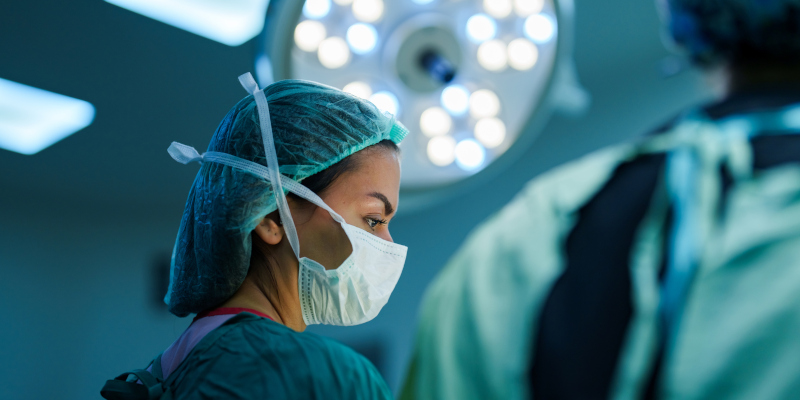
In the high-stakes environment of an operating room, every detail counts—but few are as important as surgical lighting. While modern instruments and skillful surgeons dominate conversations about patient outcomes, the quality of light available in the surgical area is just as important. Prioritizing surgical lights is more than just visibility. It is also about precision, safety, and, ultimately, saving lives.
- Increased Visibility: Appropriate surgical lighting provides excellent visibility. Surgeons rely on bright, shadowless lighting to distinguish between tissues, identify key features, and perform delicate procedures. Inadequate lighting can hide critical details, increasing the likelihood of errors or long operation times. High-quality surgical lights are intended to provide consistent brightness, correct colour rendering, and adjustable focus, allowing medical teams to adapt to the unique needs of each treatment.
- Direct Impact on Patient Safety: Poor lighting conditions can contribute to fatigue and eye strain in surgical staff, reducing concentration during long procedures. Medical facilities can create a more comfortable working atmosphere by investing in modern lighting systems, allowing surgeons to focus and perform to their full potential.
- Aid in Infection Prevention: Many systems are designed to reduce heat and airflow disruption, which lowers the danger of contamination in sterile environments. This function is especially important in complex surgeries, where high hygiene standards are required.
While surgical lights might not seem like that big of a deal, they are an essential component of efficient surgical care. Facilities that prioritize high-quality lighting solutions can improve surgical performance and patient outcomes, not to mention reinforce their dedication to customer care.