
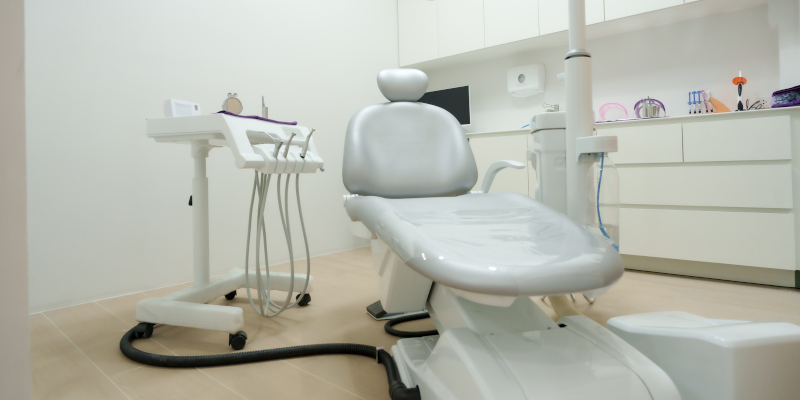
Medical clinics can feel intimidating, but thoughtful design can significantly reduce patient anxiety. One sometimes ignored component is medical procedure chairs. Far from being simply a piece of equipment, today’s procedure chairs are meticulously designed to improve comfort, safety, and efficiency, all of which help to improve the overall patient experience.
- Comfort: Today’s medical procedure chairs feature ergonomic cushioning, adjustable headrests, and variable positioning choices to support the body throughout lengthy or sensitive treatments. This alleviates physical strain and allows patients to remain relaxed, which is especially helpful in treatments that require stillness. When patients feel physically supported, their overall stress level decreases.
- Accessibility: Many procedure chairs are height adjustable and easily repositionable, making it easier for patients with mobility issues, such as the elderly or those recovering from injuries, to sit and stand securely. This decreases the danger of falls and allows healthcare personnel to help patients more comfortably and respectfully.
- Increased Clinical Efficiency: Smooth electronic controls allow practitioners to quickly and precisely adjust posture, reducing interruptions during treatments. This not only saves time but also makes for a more seamless and reassuring experience for patients, who are less likely to feel discomfort from repeated modifications.
- Improved Hygiene and Cleanliness: Modern procedure chairs are often made with antimicrobial materials and easy-to-clean surfaces, reinforcing a sense of safety and professionalism in the clinical setting.
By emphasizing ergonomics, accessibility, and efficiency, today’s medical procedure chairs contribute to a more pleasant healthcare experience—one in which patients feel cared for, respected, and at ease from beginning to end.